What are 10 must-have recovery tools for athletes?
Quick answer
Recovery tools for athletes help the body adapt after intense training by reducing soreness, improving readiness, and supporting both physical and mental reset. The most useful tools are the ones that fit into a real routine: foam rolling, massage gun work, cold water immersion, compression, sleep tracking, HRV monitoring, breathwork, active recovery, hydration and nutrition support, and a mental reset routine.
You do not need the most expensive setup to recover well. You need the right tools, used at the right time, in the right order, and matched to your sport and training load.
Introduction
Recovery tools for athletes are not just nice extras. They are part of the training process itself. Hard sessions create stress, and recovery is what allows the body to turn that stress into adaptation, strength, and performance.
A lot of athletes spend most of their energy on programming, nutrition, and gear, but recovery still gets treated like an afterthought. That is a mistake. If the body never gets a chance to reset, performance stalls, soreness builds, and motivation starts to drop.
The good news is that recovery does not have to be complicated or expensive. You do not need a luxury setup or a room full of gadgets. You need a few practical tools, a smart routine, and enough consistency to make recovery part of the process.
This guide walks through 10 recovery tools for athletes that are actually worth using. Some are physical tools, some are monitoring tools, and some are simple habits that support both body and mind. Together, they create a complete recovery system for intense training.
1. Foam rolling
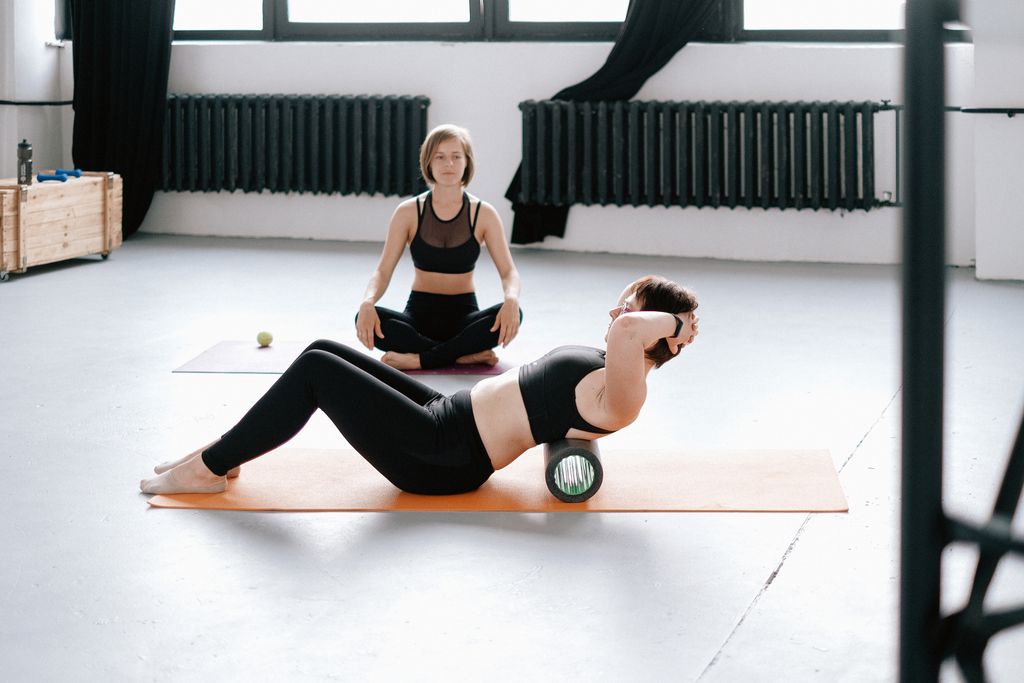
Foam rolling is one of the most accessible recovery tools for athletes. It helps reduce tightness, improve how muscles feel after training, and support short-term recovery. It is simple, affordable, and easy to do at home or in the gym.
A good approach is to spend one to two minutes on each major muscle group after training. Focus on the areas that were most stressed in the session. That keeps the work targeted instead of turning recovery into an unnecessary full-body routine.
Foam rolling works best as part of a larger recovery plan. It is useful, but it is not a replacement for sleep, nutrition, or proper training design. Think of it as a support tool that helps the body settle after hard work.
2. Massage gun
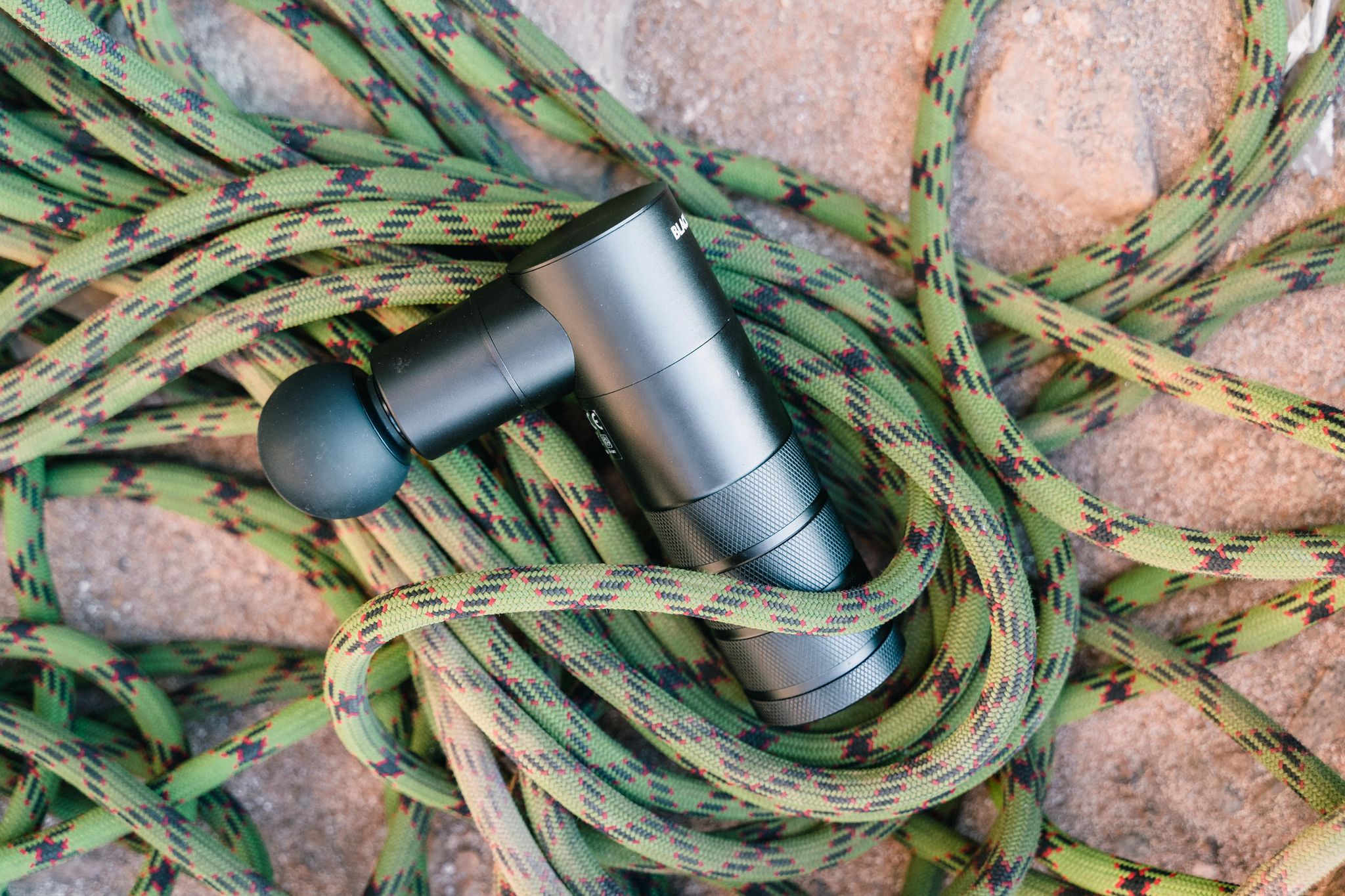
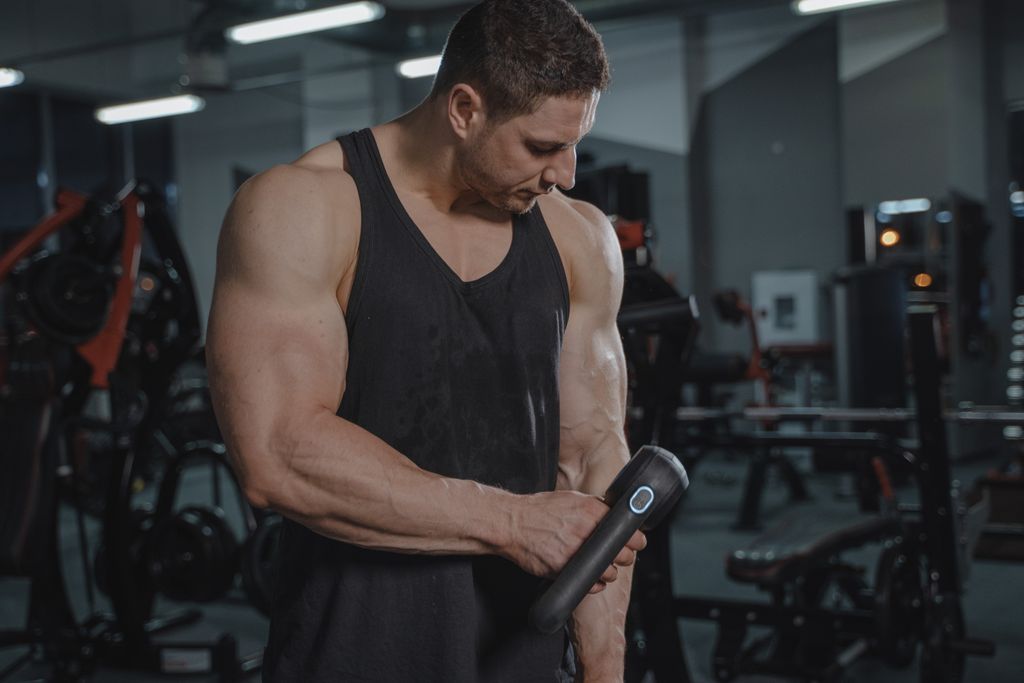
A massage gun is another practical option for recovery tools for athletes. It can help target specific muscles and make the body feel looser after intense training. Many athletes like it because it is fast, convenient, and easy to use.
The key is to keep the session short and controlled. Use about 30 to 60 seconds per muscle group and avoid bones, joints, the spine, and irritated tissue. The goal is to relax muscle tissue, not to aggressively dig into sore spots.
Massage guns are best used after training or away from explosive performance sessions. If used immediately before sprinting or heavy lifting, they may temporarily reduce force output. Timing matters just as much as the tool itself.
3. Cold water immersion
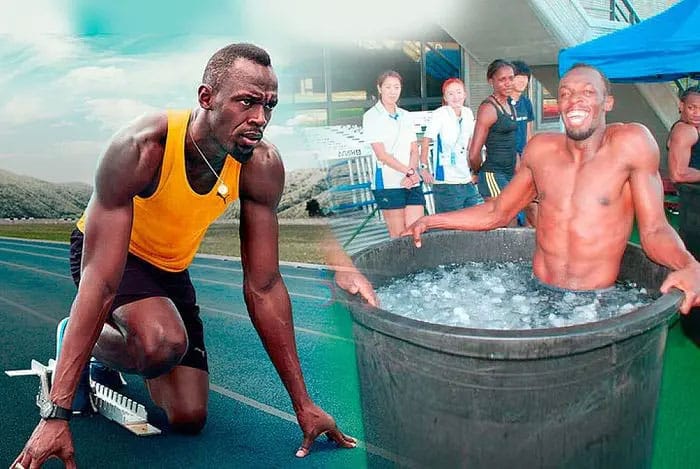
Cold water immersion, often called a cold plunge, is one of the most popular recovery tools for athletes. It can help reduce soreness and improve how fresh you feel the next day after intense training or competition.
A common protocol is 10 to 15 minutes in cold water. The exact temperature can vary, but the water should be cold enough to create a noticeable recovery stimulus. Many athletes use it after hard practices, conditioning sessions, or competitions.
There is one important caution: if your main goal is muscle growth, avoid cold water immersion immediately after strength training. In that situation, use it later in the day or on non-lifting days. Recovery methods should support your goal, not work against it.
4. Compression boots
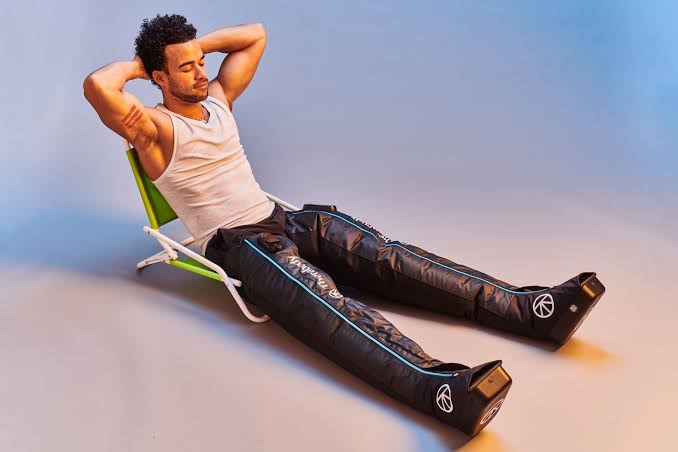
Compression boots are one of the more effective higher-end recovery tools for athletes. They apply rhythmic pressure to the legs, which may support circulation and reduce soreness after training. They are especially useful for athletes training multiple times per week.
One of the main advantages of compression boots is that they are passive. You can use them while eating, watching film, journaling, or doing breathwork. That makes them easier to fit into a busy training schedule.
Compression seems especially helpful in the 24-hour window after resistance training or high-volume sport. They are not essential for everyone, but they are a strong option once the basics are already in place.
5. Red light therapy
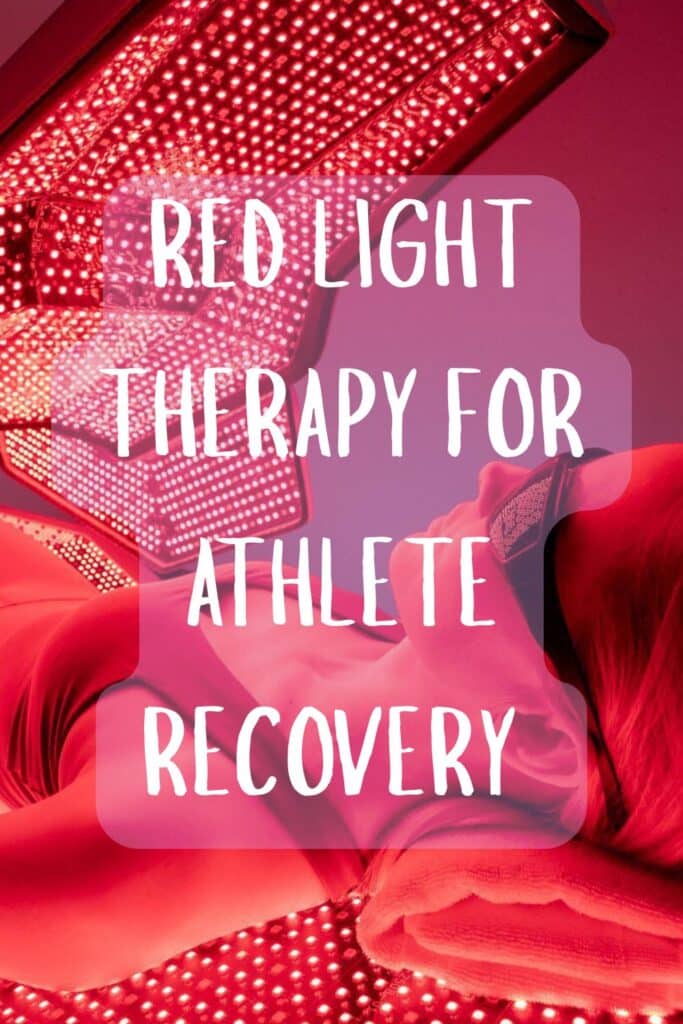
Red light therapy panels are another popular recovery tool for athletes. They are often marketed as a high-tech way to support recovery, and some athletes do find them helpful. Still, they should be treated as a supplementary tool rather than a foundation.
The main issue is that the evidence is not as settled as the marketing often suggests. That does not mean the tool is useless. It simply means athletes should keep expectations realistic and avoid treating it like a magic solution.
If your budget is limited, this is not the first place to spend money. Build your recovery foundation with the basics first, then experiment with red light therapy later if you want to add another layer.
6. Sleep tracker
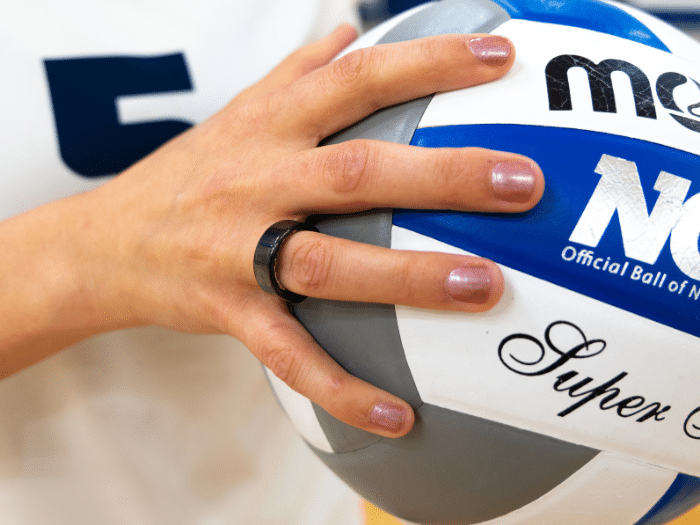
A sleep tracker is one of the most valuable recovery tools for athletes because sleep is one of the biggest drivers of recovery itself. A tracker helps show whether your habits are actually giving your body enough time to reset.
Many athletes think they are sleeping more than they really are. A tracker can reveal short sleep duration, inconsistent sleep timing, or poor sleep quality during hard training periods. That information is useful because it helps you make better decisions.
The key is not just collecting data. The real value comes from acting on it. If the tracker shows your sleep is poor and you ignore it, the tool loses most of its value.
7. HRV monitor
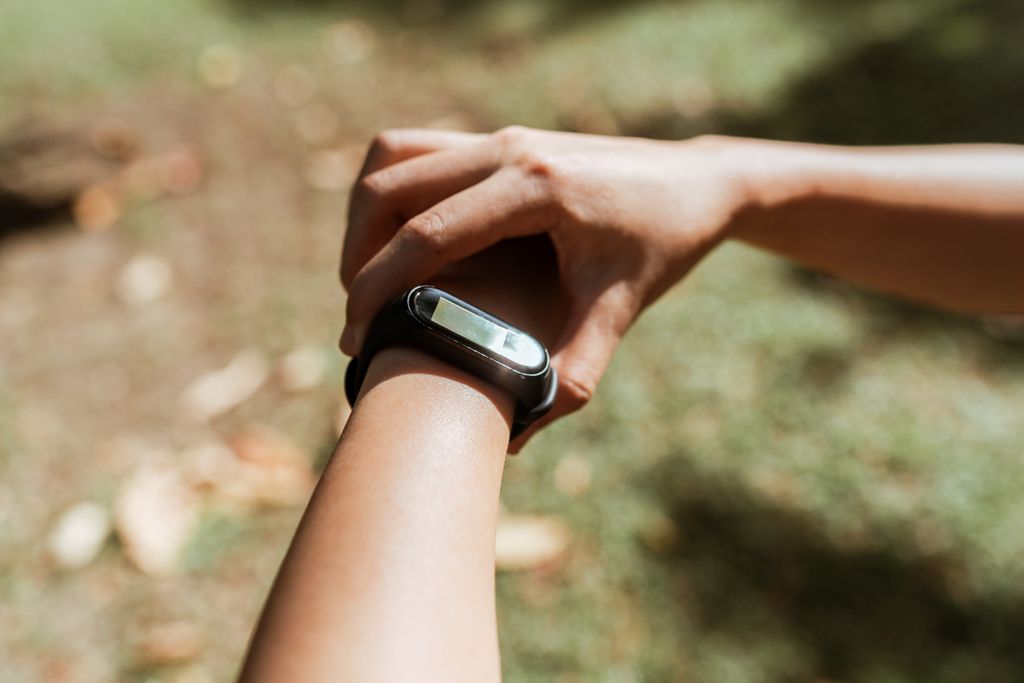
Heart rate variability, or HRV, is another useful recovery tool for athletes. It gives a signal about how well the nervous system has recovered from stress. That can help guide training decisions and flag when the body needs more recovery.
HRV is helpful because it adds context. Two athletes can look similar on the outside but be in very different recovery states internally. HRV can help show that difference before fatigue starts affecting performance.
Like sleep tracking, HRV only matters if you use it well. It should be one part of your decision-making process, not the only factor. Read it alongside your training load, sleep, stress, and how you actually feel.
8. Breathwork
Breathwork is one of the most underrated recovery tools for athletes. It costs nothing, requires no equipment, and can help shift the body out of a high-stress state. That makes it one of the easiest habits to build into a routine.
A simple starting protocol is five to ten minutes of box breathing or diaphragmatic breathing after training or before bed. This can help calm the nervous system and support the transition into recovery mode. It is especially useful after hard sessions or competition days.
Breathwork is powerful because it is easy to repeat consistently. It is a small habit that can have a big effect on how quickly the body settles after stress.

9. Active recovery
Active recovery includes low-intensity movement such as walking, easy cycling, or light swimming. It is one of the most practical recovery tools for athletes because it helps circulation, reduces stiffness, and keeps the body from feeling locked up after hard work.
The key is to keep it truly easy. Active recovery should not feel like another training session. If the intensity gets too high, it stops being recovery and starts becoming extra fatigue.
This tool is especially useful in the 24 to 48 hours after a hard workout, game, or competition. It helps the body move back toward normal function without adding much stress.
10. Mental reset routine
The final recovery tool is one many athletes overlook: a mental reset routine. Training creates mental stress as well as physical stress, and the nervous system does not separate the two. If the mind does not recover, the athlete is still not fully ready.
A mental reset routine can be very simple. It might include journaling, a quiet walk, breathing work, reflection after competition, or a structured review of the session. The goal is to let the brain come down from performance stress and reset for the next challenge.
This matters because mental fatigue affects focus, confidence, motivation, and consistency. Physical recovery alone is not enough. The best recovery tools for athletes support both the body and the mind.

Key tips
If you want to use recovery tools for athletes effectively, keep these points in mind:
- Start with the basics before buying expensive equipment.
- Use foam rolling, massage guns, and cold water immersion as foundational tools.
- Match the recovery method to your training goal.
- Use compression and active recovery in the 24 to 48 hour window.
- Track sleep and HRV, but only if you are willing to act on the information.
- Keep breathwork simple and repeatable.
- Include a mental reset so recovery is complete, not just physical.
The athletes who recover best are usually not the ones with the most gear. They are the ones who use a few good tools consistently and understand why those tools matter.
FAQ section
What are the best recovery tools for athletes?
The best recovery tools for athletes are the ones that fit easily into your routine and support both physical and mental recovery. Foam rolling, massage guns, cold water immersion, compression boots, sleep tracking, HRV monitoring, breathwork, active recovery, nutrition support, and a mental reset routine are all strong options.
Do I need expensive recovery equipment?
No. Most athletes should start with the basics first. Foam rolling, breathwork, active recovery, and good sleep are often more valuable than expensive recovery devices used only once in a while.
Is cold plunging good after every workout?
Not always. Cold plunges can help reduce soreness and improve readiness, but they may interfere with muscle growth if used right after strength training. Use them strategically, not automatically.
Is HRV really useful?
Yes, HRV can be useful if you treat it as one piece of the puzzle. It gives a helpful signal about recovery status, but it works best when combined with sleep data, training load, and how you feel.
What is the most important recovery tool overall?
Sleep is the most important recovery tool for athletes because it affects nearly every part of recovery and performance. No device can fully make up for poor sleep habits.
Conclusion
Recovery tools for athletes are not about collecting gadgets. They are about building a system that helps the body adapt, the nervous system reset, and performance stay consistent over time.
The most effective recovery setup is usually simple. Start with foam rolling, massage gun work, cold water immersion, compression, sleep tracking, HRV, breathwork, active recovery, and a mental reset routine. Then adjust the tools to fit your sport, your schedule, and your goals.
If you train hard, recovery needs to be intentional. The athletes who improve the most are not the ones who train the hardest without stopping. They are the ones who recover with purpose and keep showing up ready for the next session.